Quick Read
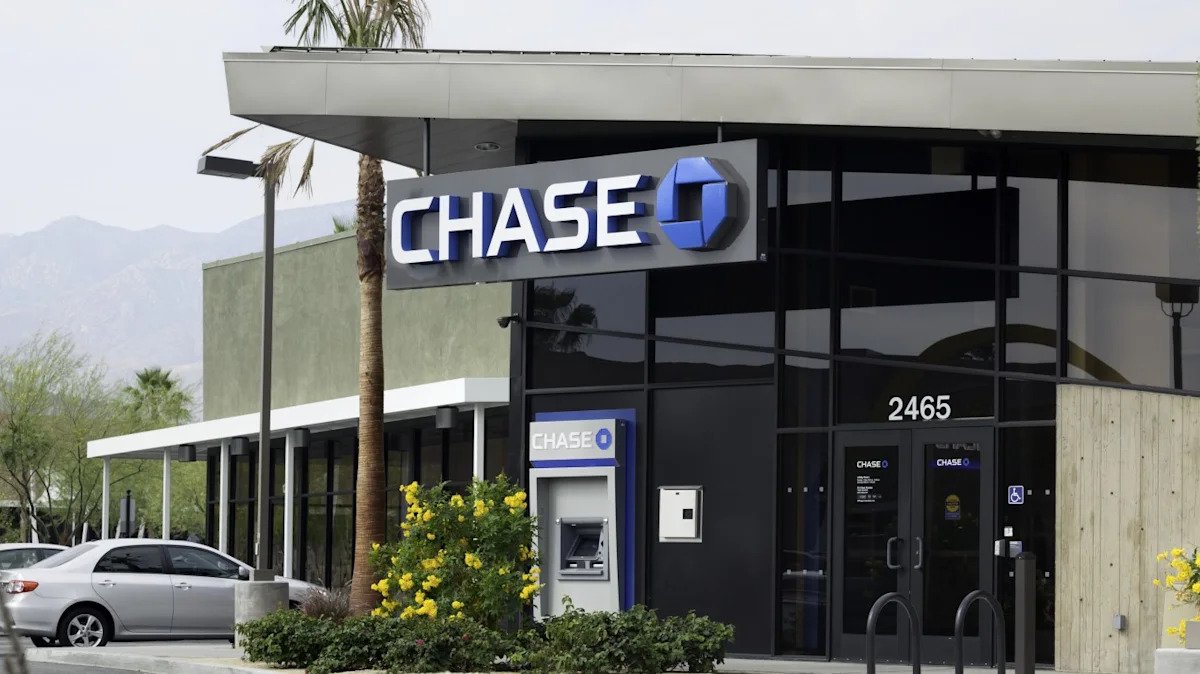
Clark Howard notes that savers at major institutions like JPMorgan Chase and Wells Fargo earn roughly $1 annually for every $10,000 deposited, whereas Treasury I bonds currently offer approximately $551.
The 5.51% I bond yield is comprised of a 1.4% fixed rate that remains constant, plus an inflation-based component that adjusts every six months.
Because I bonds require a one-year lock-up period and impose a penalty of three months’ <a you hate your money. absolutely"
He also gave the reason. “The biggest banks are going to pay you 1/100th of 1% on your savings,” he said, while “the US Treasury will pay you 5.51% on your savings.”
On $10,000, that works out to about $1 a year versus roughly $551. That gap is what you give up by leaving cash where it sits.
Howard Is Right About the Banks, and Treasury’s Numbers Back Him
My conclusion: Howard’s criticism of investors eventually reach a turning point. Once the saving phase is complete and the portfolio is established, the focus shifts from growth to withdrawal strategies. Mismanaging this transition can jeopardize decades of disciplined investing in just a few years.
That is the specific issue addressed by The Definitive Guide to Retirement Income. It explores the actual costs of retirement and how to ensure your capital lasts, and it is available for free today from Fisher Investments.