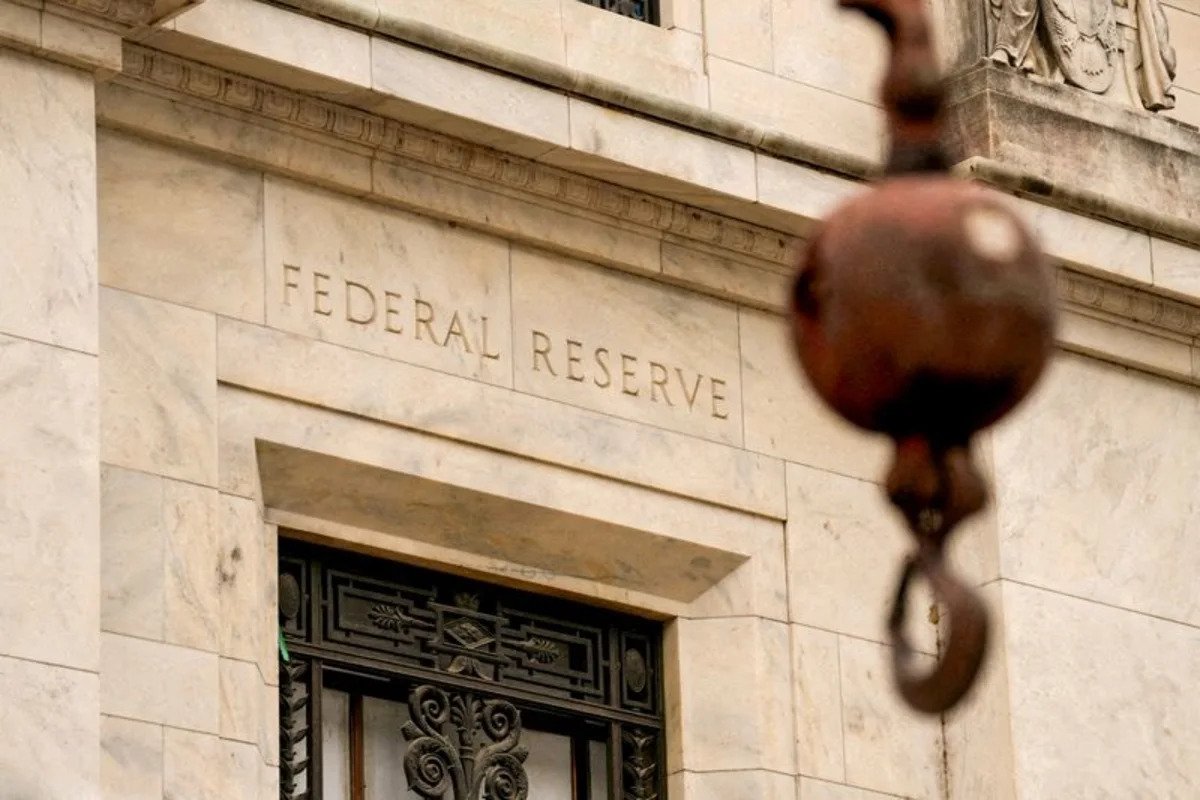
A stronger-than-expected October jobs report strengthens the argument for additional Federal Reserve interest-rate hikes, a prospect that had previously lost momentum amid a post-<a accumulation of data" to determine if further monetary policy tightening was necessary, and this latest labor market report serves as a clear indicator in favor of such action.
“This is a very strong labor-market report on the heels of solid GDP and consumer-spending data last week, reinforcing the economy’s positive momentum,” wrote Fitch Ratings’ analyst Olu Sonola after the report. Recent concern over AI poses a risk to that outlook, Sonola said, “but for now the economy remains on firm footing. The labor market’s resilience keeps the Fed focused on inflation and pushes the policy debate further toward a December rate hike.”
During a St. Louis civic event on Friday, St. Louis Fed President Alberto Musalem noted that in his discussions with businesses throughout his Midwestern district, inflation remains the primary concern.
“Inflation is a regressive tax, a distortionary tax,” said Musalem, who has advocated further rate increases. “The best thing we can do for growth and employment is bring inflation back down on a timely basis.”
He did not comment on the recent <a we need to make monetary policy for the economy of the day, not what it may be five years from now," Musalem said, and on that basis, for now at least, AI investment "will continue to contribute to inflation."
His remarks follow Tuesday’s election, where victories by a group of Democratic governors and a significant Democratic majority in Congress sparked fears of a crackdown on AI data center projects. The Nasdaq Composite Index experienced its largest decline in 19 months on Thursday as the implications of the political shift became clear. Several of the newly elected governors campaigned on promises to restrict data center construction, and Democratic congressional leaders are currently planning a series of new AI regulations.