The low mortgage rate you secured years ago might rank among your smartest <a perfect storm of financial destruction that is about to hit."
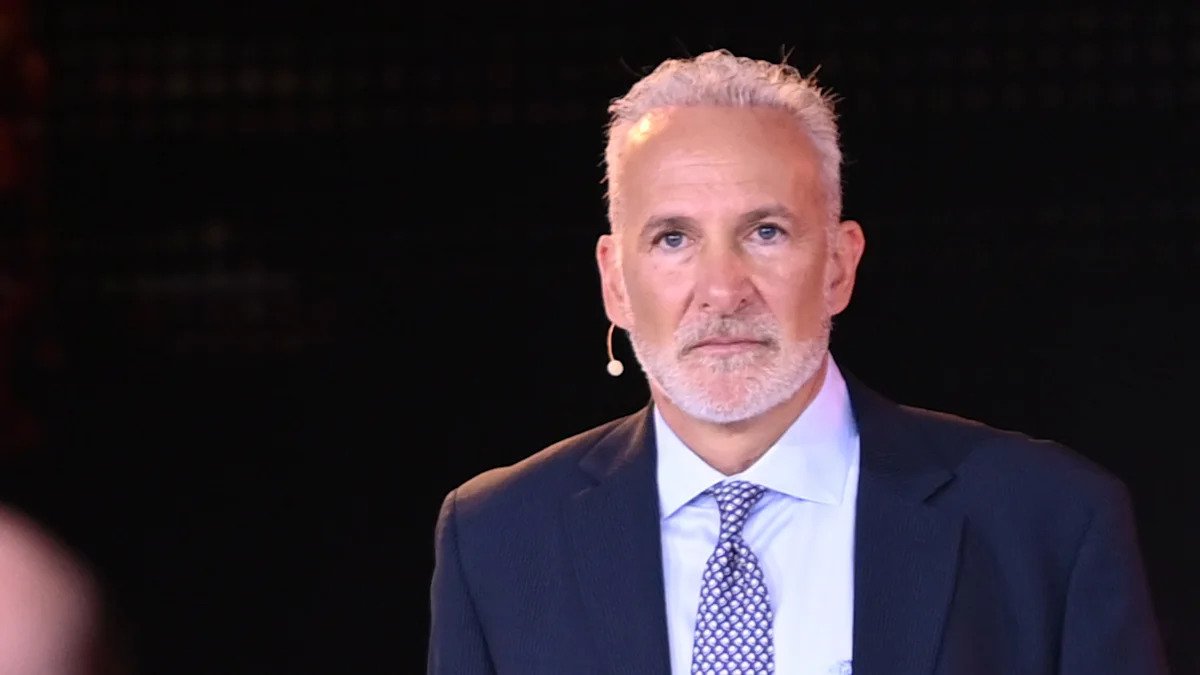
“Mortgage lenders will lose far more during the developing mortgage crisis than they did during all of the GFC,” Schiff warned in an Oct. 15 post on X, referring to the global financial crisis.
Top Picks
Jeff Bezos backs a platform that lets anyone invest in rental homes for as little as $100.
A single line on your car insurance policy could be inflating your premium by up to 30%.
He attributed the situation to the Federal Reserve’s long-term low interest rates and government-backed loans that allowed borrowers to lock in inexpensive financing for decades.
“That sowed the seeds,” he wrote.
This is a concerning forecast, particularly if your primary residence accounts for a large portion of your net worth or if you are relying on your <a There is currently about $8.3 trillion in outstanding fixed-rate mortgages with an average rate of 4.6% and 25 years left to maturity," Schiff wrote. "Given that current rates are 7.5%, the mark-to-market losses on those mortgages are already about $2 trillion. When rates rise to 8.5%, the loss will rise to $3 trillion!"
For comparison, Schiff estimated that realized losses on defaulted mortgages between 2007 and 2010 totaled approximately $450 billion.
It is important to note that these figures are Schiff’s own projections, and his 8.5% scenario is not the current reality. The most recent Freddie Mac survey, published on Oct. 15, reported the average 30-year fixed mortgage rate at 7.40%, an increase from 6.27% the previous year.
The fundamental pricing issue is as follows: If a new mortgage carries a significantly higher interest rate, investors generally will not pay full price for an older, comparable loan with a lower rate. Consequently, the older loan must be discounted to remain competitive.