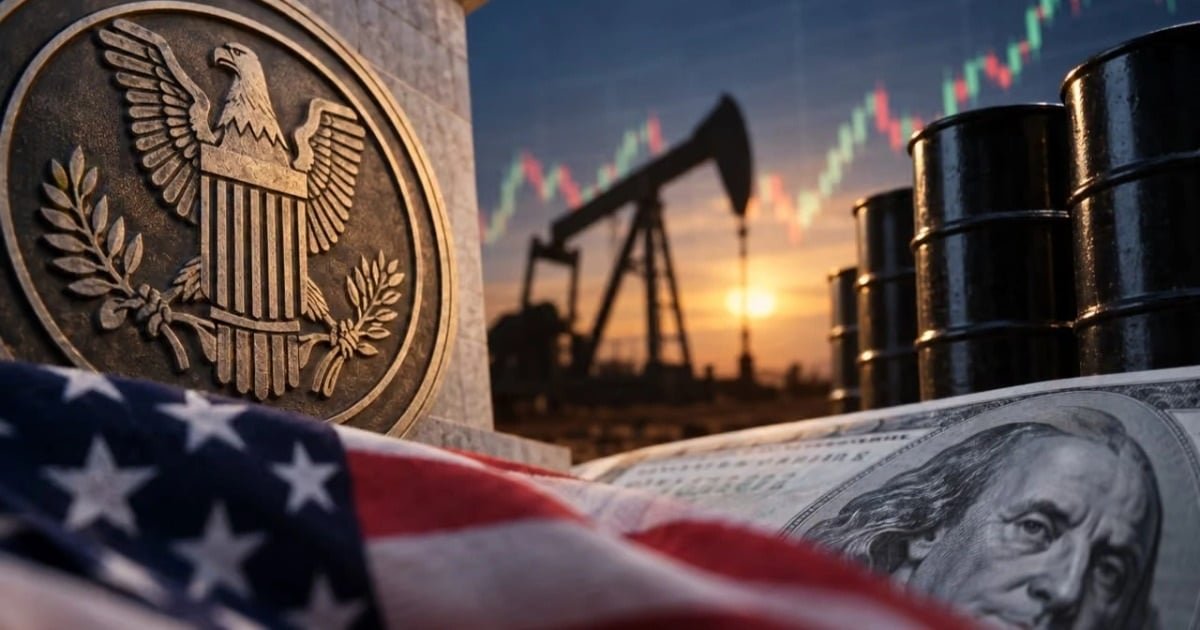
(Dan Tri Newspaper) – Soaring gasoline prices are driving up the cost of living for <a s upcoming interest rate decision.
When drivers pulled into an Illinois gas station early one morning, many were startled to see the pump display $4.33 per gallon. This record‑high price turns each fill‑up into a notable expense for households.
The steep travel cost is only the beginning; soaring fuel prices also push up taxi fares, airline tickets, and even the price of vegetables and meat at grocery stores.
All eyes are on the U.S. Consumer Price Index (CPI) for September, due tonight (October 14, Vietnam time). Analysts view the data as a key signal of whether the Federal Reserve will stay on hold or feel compelled to raise rates at its upcoming meeting.
High energy prices could fuel rising inflation in the US.
The surge in fuel costs is spilling over into retail markets and supermarkets.
Yahoo Finance reports that climbing energy prices are now the primary engine behind the renewed price uptick. The American Automobile Association (AAA) notes that the average retail gasoline price hit $4.33 per gallon last month, roughly $0.50 above the 2023 record. A Bloomberg poll shows analysts expecting annual U.S. inflation to climb to 3.6%, up from 3.4% in August, with a monthly rise of 0.6%.
An analysis on TheStreet, referencing a Goldman Sachs report, projects inflation could reach 3.7%. Goldman Sachs estimates the energy sector jumped about 5% in a single month due to soaring gasoline prices, which in turn lifted food prices by 0.2%.
The pressure originates from Middle‑East supply disruptions, especially limits on traffic through the Strait of Hormuz, a route that once moved 20% of global oil. These constraints have pushed Brent crude up 75% this year to over $106 a barrel, while WTI has risen to $95 a barrel as of the morning of October 14, Vietnam time.
Rising costs for both road and maritime transport are forcing manufacturers to transfer higher expenses onto consumer prices.
With budgets tight, households are scrutinizing every expense.
The ripple effect extends beyond gasoline. Data compiled by Goldman Sachs on TheStreet indicates used‑car prices are set to increase 0.5% in September, and airline fares may climb as much as 3% from the prior month—the steepest rise since the start of the year—to offset higher fuel costs.
For core inflation, which excludes volatile food and energy items, experts predict a 2.5% year‑over‑year rise. Though modest, the sustained high price environment is eroding purchasing power just ahead of the crucial holiday shopping season.
Commenting on this development on Yahoo Finance, Jake Krimmel, senior economist at Realtor.com, said: “The September CPI report is not expected to hold many surprises. However, with inflation remaining high, the lack of new information isn’t necessarily a good sign.”
A Conference Board survey mirrors the prevailing unease. Consumer confidence has slipped across most age and income groups, while average household inflation expectations for the next year have risen to 6.1%. People are becoming more cautious about major purchases and are focusing on saving.
The Fed’s thorny dilemma before the crucial moment.
These numbers place the U.S. monetary authority in a bind. Yahoo Finance notes that market participants currently assign a 76% chance that the Fed will leave rates unchanged at its October 28 meeting, given the relatively modest September labor market.
Nevertheless, the possibility of tighter policy remains. RBC’s economic team, led by Mike Reid, observed on Yahoo Finance: “The risk remains that core inflation may not fall significantly, while the September CPI report will not fully reflect factors that could push inflation higher in the near future.”
<a s next rate move ahead of its end‑of‑month meeting.
Bank of America analyst Stephen Juneau argues that if core inflation climbs 0.3% in September, markets may again entertain the prospect of an October rate hike.
Goldman Sachs forecasts that price pressures could linger through the fourth quarter, with an estimated 0.2% rise in October and 0.1% gains in both November and December. As global crude prices show no sign of easing, the challenges of interest rates and consumer spending are likely to persist for policymakers and households alike.