The interest rate on Wednesday, marking the fifth meeting in a row without a change, despite persistent inflation concerns that continue to strain American household budgets.
This outcome was largely anticipated by investors, who have observed market volatility driven by anxieties over rising oil prices linked to the conflict with Iran, as well as concerns regarding AI-related spending.
Nine members of the Federal Open Market Committee voted to keep rates steady within the 3.5% to 3.75% range. However, three policymakers dissented, arguing for an increase. This represents the first instance since 2016 that three members have dissented in the same direction regarding a policy shift.
The split in the vote highlights a deepening internal disagreement over whether the central bank is acting too slowly to curb inflation.
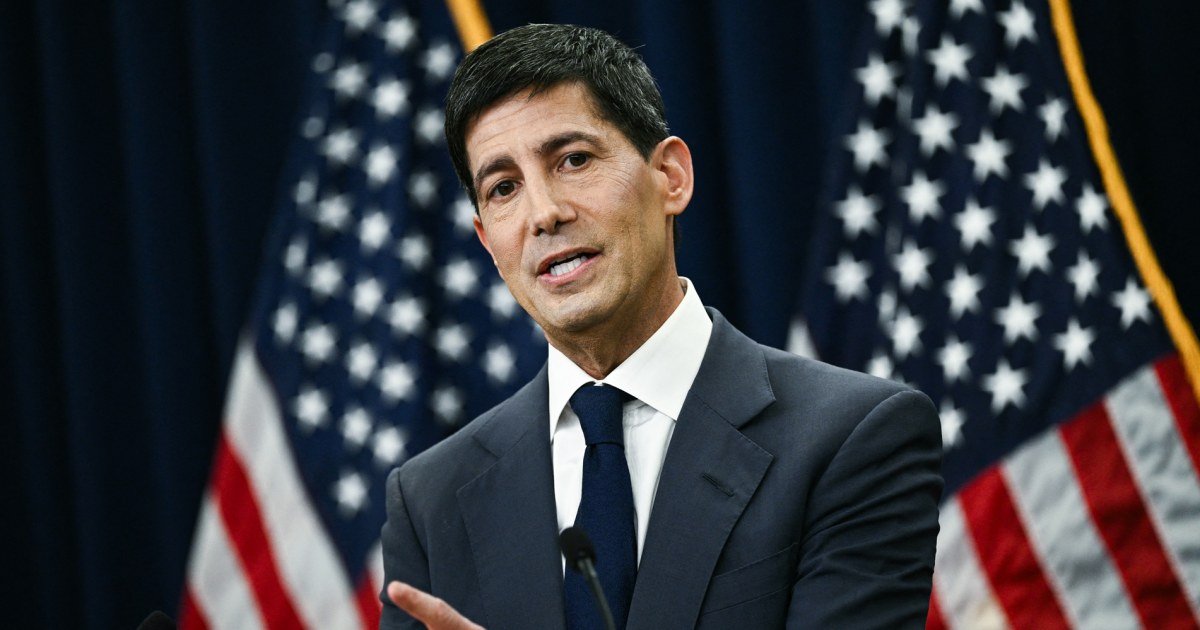
In comments following Wednesday’s announcement, Federal Reserve Chair Kevin Warsh reaffirmed the central bank’s dedication to its inflation objective.
“For some households, businesses and market professionals, five years of high inflation have left a mistaken impression that’s hard to shake that the Fed’s implicit inflation target was somehow above 2%,” he said.
“Let me reiterate: There is no soft inflation target. There is no soft implicit target, not on this committee’s watch. There’s only a target, and it’s 2%.”
Following the announcement, the probability of a quarter-point rate hike at the Fed’s September meeting increased slightly to 59%, according to data from the CME FedWatch tool.
Historically, the Fed has utilized higher interest rates to dampen economic activity and control inflation. Nevertheless, a debate persists regarding the most effective strategy. Given that inflation remains stubbornly high, many market participants have advocated for higher rates to exert downward pressure on price growth.
Conversely, for many consumers and small businesses, current interest rates have made borrowing increasingly unaffordable. This has negatively impacted sales for items typically purchased with financing, such as automobiles and industrial equipment.
While certain sectors of the U.S. economy, such as the labor market, remain relatively stable, experts warn that this stability could be threatened by the potential inflationary consequences of a prolonged war in Iran or the latest tariff initiatives from the Trump administration.
Inflation has remained above the Fed’s 2% goal for more than five years, contributing to an ongoing affordability crisis. While some recent indicators suggest inflation is cooling, the prices for wholesale goods and energy remain elevated.
“Every month of above-target inflation has compounded the strain on Americans’ budgets,” Dallas Federal Reserve President Lorie Logan said in remarks this month, calling for rates to be “modestly” higher.
Among interest rate traders, there is a broad consensus that the Fed will raise rates at least once before the end of the year.