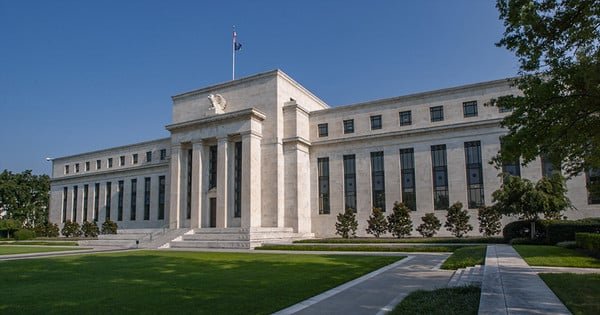
The US Federal Reserve (FED) is navigating an increasingly intricate policy landscape as the economy maintains robust growth, even as inflation remains well above its long-term objectives.
Should price pressures fail to subside in the near term, interest rates may need to stay elevated for an extended period, or the central bank might be forced to accelerate monetary tightening to prevent persistent inflation.
Following a two-day policy meeting on October 28th, the FED opted to hold the benchmark interest rate steady at 3.75-4%. This decision paused further tightening after the initial rate hike seen since July 2023, with plans to implement policy adjustments in September 2026.
This approach indicates that policymakers at the Fed are seeking additional time to evaluate <a s gross domestic product (GDP) expanded at an annualized rate of 3.4% during the third quarter of 2026. This figure surpassed the 2.2% growth recorded in the previous quarter and represents the fastest pace of expansion in a year. These results highlight the resilience of the US economy despite high interest rates and ongoing geopolitical uncertainties.
Meanwhile, there are no definitive signs that inflationary pressures are cooling. The <a s path forward. Maintaining current interest rates could allow price pressures to linger, while further monetary tightening carries the risk of stifling investment, consumption, and overall growth.
Former Fed economist and current chief economist at New Century Advisors, Claudia Sahm, warns that delaying action does not mean a less risky option. If the risks of runaway inflation return, the Fed may have to implement more drastic measures, causing greater damage to the economy than adjusting policy early and gradually.
The challenge for the Fed is even greater as the factors driving up prices mainly stem from supply shocks. The Iran war has caused oil, diesel, and many energy commodities to surge in price, leading to higher production, transportation, and consumption costs. In addition, strong demand from <a s next interest rate adjustments will depend on inflation trends. Following the anticipated rate hike in December 2026, the Fed may raise interest rates one or two more times. If core inflation remains at 3% after a year, the US central bank will likely have to take further action.
With economic growth remaining strong but inflation not as controlled as expected, the Fed is facing a difficult choice between price stability and job creation. Delaying tightening could force the central bank to act more aggressively later, but raising interest rates too early or too aggressively also risks undermining the economic recovery.
Consequently, policy decisions starting in December 2026 will be pivotal for the US economic outlook, while also influencing capital costs and business activity on a global scale.