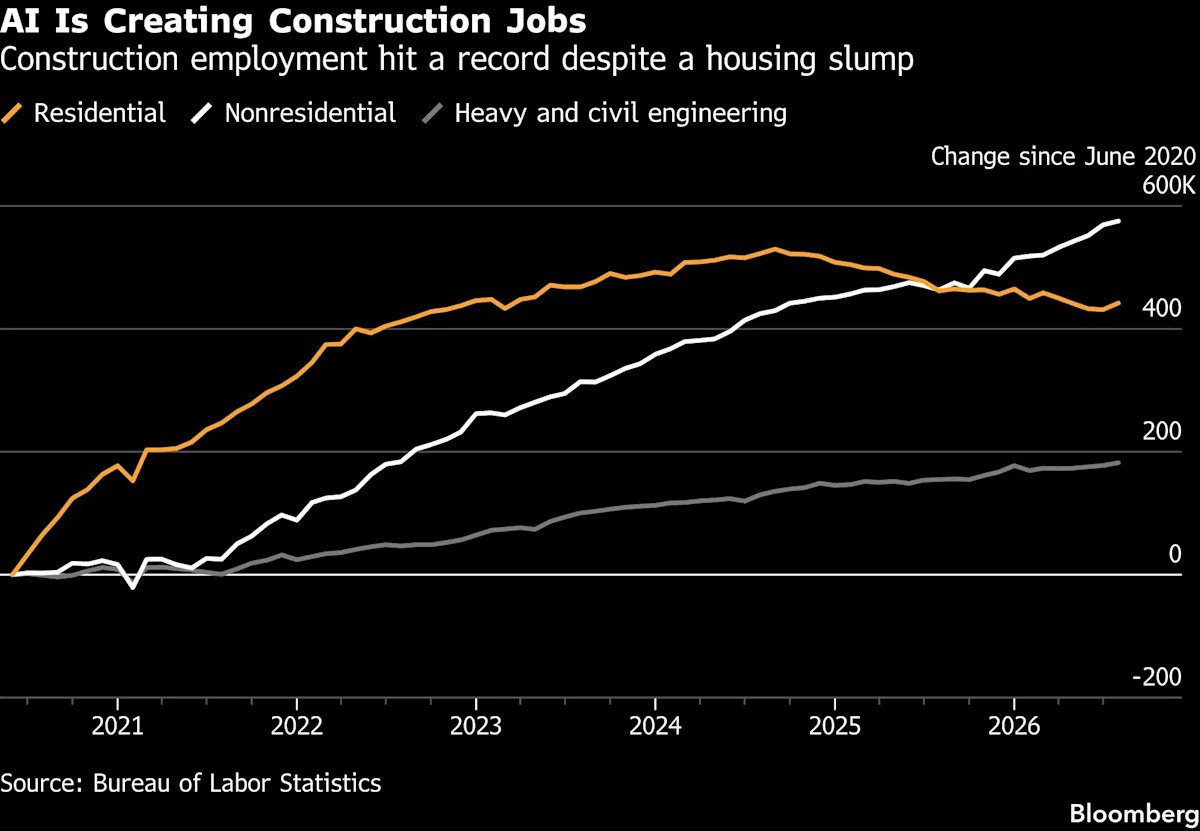
Federal Reserve policymakers have indicated a readiness to increase interest rates should inflation are the Iran war, tariffs, and the chip shortage. If the Fed hikes one to two times that is unlikely change the backdrop one way or the other, said Stephanie Roth, chief economist at Wolfe <a s inflation—tariffs and energy costs—are generally not particularly sensitive to interest rate changes. A third factor, the AI buildout, also appears immune, given the massive capital investment currently flowing into that sector. Meanwhile, concerns regarding persistent inflation and expanding government debt have already resulted in increased borrowing costs for American households.
The Consumer Price Index (CPI) report for August is projected to indicate that headline inflation climbed 0.4% and core inflation rose 0.2% compared to the previous month, based on the median estimates from a Bloomberg survey of economists.
Fed officials have provided conflicting signals leading up to the release of this data, with some suggesting that a rate hike is necessary while others remain optimistic that price pressures are beginning to subside.
Here’s a look at the economy.
Central banks generally increase interest rates to raise the cost of borrowing, dampen overall demand, and suppress inflation. However, higher rates are not particularly well-suited to combat the series of recent supply shocks that have inflated prices and reignited inflationary pressures.
The onset of the Iran war in February pushed global oil prices past $100 per barrel, which increased fuel expenses and drove headline inflation higher. Elevated energy prices are a primary reason why the overall August CPI is anticipated to rise compared to the prior month.